What Type of Doctor Helps With Low Testosterone? Your Next Steps Explained.
Understanding Low Testosterone
Low testosterone means your body is not making enough of a vital hormone. This can affect adults of all ages—men most often, but sometimes women, too. Typical symptoms include lack of energy, lower sex drive, muscle loss, mood swings, poor focus, and even changes in body hair or bone health. Many feel a clear drop in vitality. If you think you have low testosterone, getting a proper diagnosis is important. This is the first step to reclaiming your health and quality of life.
Which Doctors Treat Low Testosterone?
Urologists
Urologists are experts in male hormone health and sexual function. They diagnose and treat low testosterone, also known as hypogonadism. Urologists manage testosterone replacement therapy (TRT), monitor for risks, and often handle the full scope of men’s hormone care. If you have symptoms and wish to address issues like fertility or sexual health, a urologist is a strong choice.
Endocrinologists
Endocrinologists treat hormone problems across the body, not just testosterone. They are ideal for complex situations, such as pituitary disorders, unexplained low testosterone, or multiple hormone issues. Women and men alike may see an endocrinologist for low T when the cause is not clear or you have additional health concerns like thyroid disorders or diabetes.
Primary Care Providers
Your primary care doctor is often the first person you turn to. They can listen to your symptoms, order initial lab tests, and refer you to a specialist if needed. Some are also experienced in starting basic hormone therapy or managing mild cases, especially if your symptoms are straightforward.
Modern Hormone Clinics and Telehealth Providers
Today, you can connect with hormone health specialists from your home. Virtual clinics offer telehealth assessments, lab ordering, treatment planning, and direct shipment of medications nationwide. This model is private, convenient, and supports follow-up wherever you live. Look for clinics that provide regular lab monitoring, direct access to qualified experts, and ongoing support. Schedule a free virtual evaluation now to see if this approach is right for you.
How Is Low Testosterone Diagnosed?
At Premier Hormone Health, every patient begins with a thorough medical evaluation. Your provider reviews your symptoms, medical history, and any recent lab results. If you haven’t completed labs yet, we’ll send a requisition to one of our trusted national partner labs for testing.
Blood work is typically drawn in the morning and includes total testosterone, estradiol, and other key markers. Results are reviewed by your licensed provider during your telehealth consultation to confirm if testosterone levels are low and to assess overall hormone balance.
Follow-up labs are scheduled around 6 weeks after treatment begins and then every 6 months to ensure your therapy stays on track and properly adjusted.
Treatment Options for Low Testosterone
Testosterone Replacement Therapy (TRT)
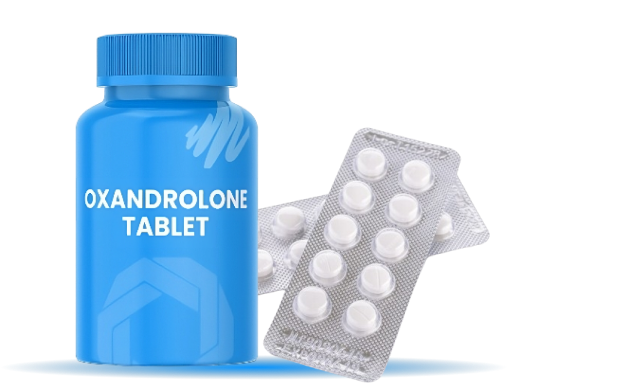
TRT replaces what your body no longer makes. Options include injections, creams, lozenges, oral tablets, and some clinics offer small pellets implanted under the skin. Each method has pros and cons. Your provider will work with you to choose what fits best. You will need regular blood tests to monitor your progress, hormone levels, and any risks.
Addressing Underlying Causes
Some people benefit from more than just TRT. Good nutrition, exercise, better sleep, or reducing stress may make a difference. If your low T stems from a pituitary problem or a medication, those need to be addressed, too.
Personalized Plans
No two patients are alike. The best care looks at your full hormone profile, symptoms, and lifestyle. A personalized hormone optimization plan, like those at Premier Hormone Health & Wellness, can adjust your therapy as you progress, not just at the start.
What to Expect at Your First Consultation
Whether your visit is virtual or in-person, you will discuss your symptoms, medical history, current medications, and lifestyle. Bring a list of any supplements, questions, and recent lab results. Common questions your provider may ask include:
- How long have you had your symptoms?
- Do symptoms affect work, relationships, or well-being?
- What is your general health history?
Prepare your own questions:
- Which treatment options are best for my situation?
- How often will I need labs or follow-up?
- What side effects should I watch for?
- Can you help me with related hormone issues?
Expect a practical, supportive conversation that builds your confidence and keeps you involved every step of the way.
Choosing the Right Hormone Health Provider
Look for these qualities in a clinic or doctor:
- Board-certified providers with hormone therapy expertise
- Up-to-date lab monitoring and clear reporting
- Flexible access: telehealth and in-person options
- Dedicated support throughout your treatment
- Good patient reviews and full transparency about what’s included
Premier Hormone Health & Wellness stands out for its personalized, patient-first approach. You get ongoing access to your care team, customized plans, and reliable follow-up—wherever you are in the country.
Common Questions About Low Testosterone Care
How quickly will I feel better?
Some people notice more energy, mood stability, or sex drive within a few weeks. For others, changes take a few months. Regular follow up ensures progress is tracked.
Is TRT the only solution?
No. Some causes of low testosterone can be corrected with lifestyle changes or other treatments. Your provider will check for underlying factors first.
Can women have low testosterone?
Yes, though it is less common. Women may experience fatigue, mood changes, and low libido due to hormone imbalances.
Are there natural ways to boost testosterone?
Better sleep, improved diet, resistance training, and stress management can help. These changes may support your medical plan but do not always fix low T alone.
What about ongoing monitoring and support?
Ongoing lab tests and regular provider visits are part of best practice care. Adjustments are made as you go for optimal results and fewer risks.
Ready for a Healthier You? Take the Next Step Today
If you are concerned about low testosterone, take action now. Book a free virtual consultation with Premier Hormone Health & Wellness. Find out if personalized hormone optimization is right for you, get your questions answered, and start your journey with support every step of the way.