Best Acne Treatment for Sensitive Skin: Gentle Solutions
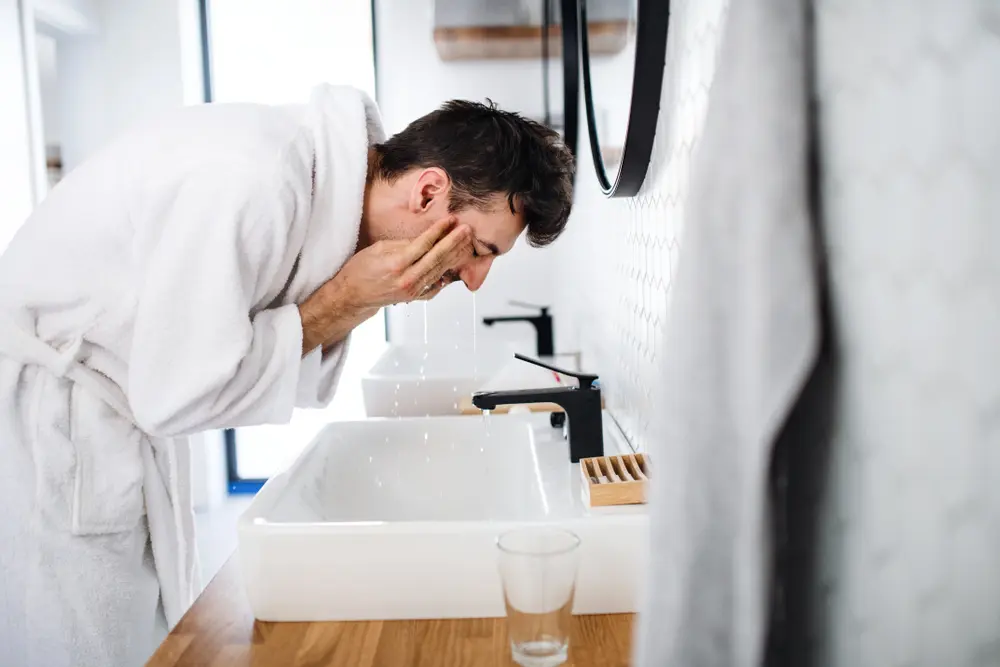
Sensitive skin is characterized by heightened reactions to external stimuli, often resulting in redness, itching, and discomfort. Proper acne treatment can help manage sensitivity while preventing breakouts and irritation. These symptoms can be triggered by environmental factors, skincare products, and even stress, making it vital to adopt a personalized skincare regimen. When coupled with acne, it necessitates a treatment approach that is both effective and gentle.
The pathophysiology of acne involves excess sebum production, follicular hyperkeratinization, Propionibacterium acnes colonization, and inflammation. Each of these processes can be influenced by hormonal factors, thus underscoring the importance of considering hormone health in treatment plans. Understanding the delicate balance required to treat sensitive skin means acknowledging the skin’s natural barrier and ensuring it remains intact and unaggravated by harsh ingredients.
Natural Remedies for Hormonal Acne
Incorporating Hormone Balance in Treatment
Hormonal imbalances often manifest as acne, particularly in sensitive skin, making targeted acne treatment essential for maintaining clear and healthy skin. Hence, natural remedies that support hormone equilibrium can be pivotal. Dietary modifications, such as reducing dairy and high-glycemic foods, can help mitigate acne severity. Incorporating omega-3 fatty acids, zinc, and antioxidants like vitamins A and E may also offer benefits by modulating inflammatory responses and sebum production. Additionally, adopting a diet rich in whole foods, lean proteins, and healthy fats can promote overall skin health. Herbal supplements, such as spearmint tea or evening primrose oil, may also support hormonal balance, though they should be considered with professional guidance.
Botanical Solutions
Botanical extracts such as tea tree oil, green tea, and aloe vera have shown promise in acne treatment, helping reduce acne lesions with their anti-inflammatory and antimicrobial properties. Tea tree oil, for instance, possesses terpinen-4-ol, a compound effective against P. acnes. However, it is imperative to use these extracts in diluted forms to prevent potential irritation, particularly in sensitive skin. Green tea, rich in polyphenols, can reduce inflammation and sebum production when used topically or as an oral supplement. Aloe vera, known for its soothing properties, can help calm irritated skin and promote healing, making it a gentle choice for daily skincare routines.
How to Get Rid of Acne Scars Naturally
Post-acne scarring can be distressing, but several natural approaches can aid in skin repair and regeneration. The key to minimizing scars lies in consistent and gentle skincare practices that encourage healing while preventing further damage.
Exfoliation and Regeneration
Gentle exfoliation using alpha hydroxy acids (AHAs) derived from fruits can enhance acne treatment by accelerating cell turnover and reducing the appearance of scars. Lactic acid, an AHA, is particularly suitable for sensitive skin due to its hydrating properties. Regular use of such exfoliants can enhance skin texture and tone by promoting the shedding of dead skin cells and stimulating new cell growth. Additionally, incorporating enzymatic exfoliants derived from natural sources like papaya or pineapple can offer mild exfoliation without irritating sensitive skin, thereby supporting a smoother complexion over time.
Nourishing Oils and Serums
Oils rich in essential fatty acids, such as rosehip seed oil, can support acne treatment by fostering collagen synthesis and improving skin texture. Rosehip oil contains trans-retinoic acid, a derivative of vitamin A, which can enhance skin regeneration and reduce scar visibility. Consistent application of these oils can lead to improved skin elasticity and a reduction in hyperpigmentation associated with acne scars. Serums containing niacinamide or peptides can also support skin repair by reinforcing the skin barrier and promoting even skin tone, making them valuable additions to a natural scar treatment regimen.
Best Acne Treatment for Sensitive Skin
Non-Comedogenic Moisturizers
Hydration is essential for maintaining skin barrier integrity, especially in sensitive skin, and plays a crucial role in effective acne treatment. Non-comedogenic moisturizers containing ingredients like hyaluronic acid and ceramides can provide necessary moisture without clogging pores. These moisturizers help retain skin moisture, prevent dryness, and promote a healthy barrier, which is crucial for preventing further irritation. Selecting formulations free from fragrances and alcohol can further minimize the risk of irritation, ensuring that sensitive skin remains calm and balanced.
Topical Treatments: The Role of Niacinamide
Niacinamide, a form of vitamin B3, is a powerful ingredient in acne treatment that reduces sebum production, enhances skin barrier function, and provides anti-inflammatory benefits.. Its efficacy in treating acne and suitability for sensitive skin make it a staple in acne management. Regular use of niacinamide can lead to a reduction in redness and an improvement in the overall appearance of the skin. It can also be paired with other gentle actives, such as hyaluronic acid, to boost hydration while addressing acne concerns, offering a well-rounded approach to sensitive skin care.
Prescription Treatments: Tailored Approaches
For persistent cases, topical retinoids such as adapalene may be prescribed as part of an acne treatment plan. These agents promote cell turnover and prevent follicular plugging, helping to reduce breakouts. It is crucial to initiate treatment with lower concentrations to minimize irritation, and to pair with gentle, fragrance-free cleansers and moisturizers. Dermatologists may also recommend combining retinoids with other treatments, such as azelaic acid or benzoyl peroxide, to enhance efficacy while maintaining a gentle approach. Regular follow-ups with a dermatologist can help tailor the treatment plan to the evolving needs of the patient’s skin.
Advanced Hormone Therapy Solutions
While topical treatments address the surface manifestations of acne, understanding and managing underlying hormonal imbalances can provide a comprehensive solution. Hormone replacement therapy (HRT) is one such advanced approach that can be considered for patients with significant hormonal fluctuations contributing to acne. This method can be particularly beneficial for individuals experiencing acne related to menopause, polycystic ovary syndrome (PCOS), or other hormonal disorders.
Evidence-Based Approaches in HRT
Hormone Replacement Therapy (HRT) aims to restore hormonal equilibrium, helping to mitigate acne exacerbation. When integrated into an acne treatment plan, it is essential to tailor HRT protocols to individual needs, ensuring both efficacy and safety. Monitoring and adjusting hormone levels can lead to significant improvements in skin health and overall well-being. Collaboration with healthcare professionals specializing in endocrinology can enhance the treatment process, providing insights into the most effective HRT strategies for managing acne in sensitive skin.