Personalized Hormone Health: Tech’s Role in Wellness 2025
# Embracing Personalized Hormone Health: How Technology is Transforming Wellness in 2025
In an era where precision medicine is becoming the norm rather than the exception, the field of hormone health is experiencing a paradigm shift. The integration of advanced technology into personalized hormone therapy is not merely a trend; it is a revolution reshaping the landscape of wellness as we approach 2025. This transformation is being driven by innovative hormone tracking technologies and wearable health devices that offer unprecedented insights into the human body’s hormonal ecosystem.
The Rise of Personalized Hormone Health
Personalized hormone health represents a tailored approach to hormone therapy that considers the unique hormonal profile of each individual. Traditional hormone therapies often employed a one-size-fits-all methodology, which failed to account for the nuanced fluctuations and individual variations in hormonal levels. In contrast, personalized hormone therapy involves the personalization of treatment plans to align with the specific needs of each patient, thereby optimizing outcomes and enhancing overall well-being.
Understanding Hormonal Imbalances
Hormonal imbalances can manifest in a multitude of ways, impacting everything from mood and energy levels to weight management and sexual health. For general practitioners, recognizing these imbalances is crucial, yet can be challenging due to their varied presentations. The advent of hormone tracking technology provides a solution, enabling practitioners to identify and address these imbalances with greater accuracy.
The Role of Hormone Tracking Technology
Hormone tracking technology is a cornerstone of personalized hormone health. These sophisticated tools allow for continuous monitoring of hormone levels, offering a comprehensive view of the body’s hormonal fluctuations. By utilizing biomarkers and advanced algorithms, these devices provide real-time data that can be used to tailor hormone therapy to the person’s needs.
Advantages for Practitioners
For healthcare professionals, especially general practitioners who may not specialize in hormone science, hormone tracking technology is an invaluable asset. It equips them with the data necessary to make informed decisions and implement evidence-based hormone therapies, ultimately improving patient outcomes. By leveraging this technology, practitioners can transition from reactive to proactive care, identifying potential hormonal issues before they manifest as significant health problems.
Wearable Health Devices: The Future is Now
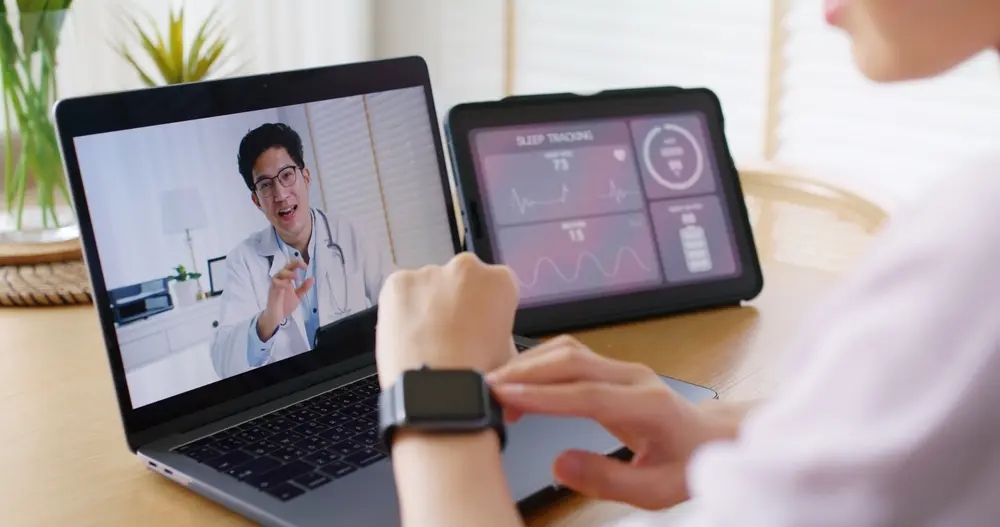
Wearable health devices have become increasingly ubiquitous, and their applications in hormone health are expanding rapidly. These devices, often worn on the wrist or as patches, constantly collect data on various body-related metrics, including hormone levels. This data is then analyzed to provide insights into the user’s hormonal health, helping timely interventions and adjustments to therapy as needed.
Integration with Personalized Hormone Therapy
The integration of wearable health devices with personalized hormone therapy represents a significant advancement in patient care. These devices empower patients by giving them control over their health and wellness journey. Patients can track their hormone levels, understand the effects of their therapy in real-time, and engage in informed discussions with their healthcare providers about their treatment plans.
The Benefits of Advanced Hormone Therapy Solutions
The synergy between technology and personalized hormone health is yielding remarkable benefits for patients and practitioners alike. Advanced hormone therapy solutions are more effective than ever before, offering a multitude of advantages over traditional methods.
Improved Patient Outcomes
The precision and personalization afforded by personalized hormone therapy result in improved patient outcomes. Patients experience fewer side effects and more sustainable improvements in their health and well-being. The ability to fine-tune therapy based on real-time data ensures that patients receive the optimal balance of hormones necessary for their unique body functions.
Enhanced Patient Satisfaction
Patient satisfaction is naturally linked to the effectiveness and convenience of their treatment. With personalized hormone health, patients are empowered to take an active role in their healthcare. The transparency and ease of access of data foster a collaborative relationship between patients and practitioners, enhancing trust and satisfaction.
Case Study: The Impact of Technology on Hormone Health
Consider the case of Sarah, a 45-year-old woman experiencing symptoms of hormonal imbalance, including fatigue, weight gain, and mood swings. Traditional hormone therapy provided limited relief and was accompanied by unwanted side effects. However, with the introduction of hormone tracking technology and wearable health devices, Sarah’s healthcare provider was able to develop a personalized treatment plan tailored to her specific needs.
By constantly monitoring her hormone levels and adjusting her therapy accordingly, Sarah experienced a marked improvement in her symptoms and overall quality of life. This case exemplifies the life-changing power of technology in the realm of personalized hormone health.
Conclusion: Embracing the Future of Wellness
As we stand on the cusp of 2025, the fusion of technology and personalized hormone health is paving the way for a new era of wellness. For general practitioners, embracing these advancements is not merely an option but a necessity to provide the highest standard of care.
By using hormone tracking technology and wearable health devices, healthcare providers can give their patients more precise and personalized care than ever before.
Achieving good hormone health is a team effort. With the help of new technology, both doctors and patients can work together easily and clearly.
The future of wellness is here, and it is personalized, data-driven, and profoundly empowering.