
Hormone Replacement Therapy for Managing Menopause
Understanding Menopause: A Natural Transition and the Role of Hormone Replacement Therapy
Menopause is a natural biological process marking the end of a woman’s reproductive years. Characterized by the cessation of menstruation for 12 consecutive months, menopause typically occurs between the ages of 45 and 55. However, its onset and symptoms can vary widely among individuals. Factors such as genetics, lifestyle, and overall health can influence the timing and experience of menopause, making it a unique journey for each woman.
For those experiencing severe symptoms, Menopausal Hormone Therapy can be an effective option to help manage hormonal changes and improve overall well-being.
Understanding the full spectrum of menopausal changes is essential for healthcare providers. These changes are not limited to reproductive health but can also impact cardiovascular, skeletal, and neurological systems. Recognizing this broader impact allows practitioners to adopt a holistic approach to treatment, addressing both immediate symptoms and long-term health implications.
Common Menopausal Symptoms
Menopausal symptoms arise due to a decline in estrogen and progesterone levels, leading to a variety of physiological and psychological changes. These symptoms can significantly affect a woman’s quality of life and may include:
- Hot flashes and night sweats: These vasomotor symptoms are among the most common and can be particularly distressing, affecting daily activities and sleep quality.
- Vaginal dryness and discomfort during intercourse: This can lead to sexual dysfunction and impact intimate relationships, often requiring targeted therapies to address.
- Mood swings and depression: Hormonal fluctuations can contribute to emotional instability, with some women experiencing significant mood disorders during this transition.
- Sleep disturbances: Insomnia and disrupted sleep patterns are prevalent, often exacerbated by night sweats and anxiety.
- Cognitive decline: Some women report memory issues and difficulty concentrating, which can affect professional and personal life.
- Increased risk of osteoporosis: The reduction in estrogen impacts bone density, increasing the risk of fractures and long-term disability.
Each of these symptoms requires careful evaluation and management, as they can vary in severity and impact from one individual to another. By addressing these symptoms comprehensively, practitioners can significantly enhance their patients’ quality of life during menopause.
What is Hormone Replacement Therapy?
Hormone Replacement Therapy (HRT) is a medical intervention aimed at alleviating menopausal symptoms by supplementing the body with estrogen and, in some cases, progesterone.This therapy seeks to restore hormonal balance, thereby mitigating the adverse effects of menopause symptoms. The goal of HRT is not only to address immediate symptoms but also to provide protective benefits against long-term health risks associated with hormonal decline.
Through a nuanced understanding of HRT, healthcare providers can guide their patients through the choices available, ensuring that each woman receives a treatment regimen that aligns with her health needs and lifestyle. This personalized approach is crucial, as the benefits and risks of HRT can vary depending on individual health profiles and preferences.
Types of Hormone Replacement Therapy
HRT can be administered in various forms, depending on patient needs and preferences:
- Estrogen Therapy (ET): Suitable for women who have undergone a hysterectomy, ET involves estrogen supplementation alone. This option is considered when there is no need to counteract estrogen’s effects on the endometrium.
- Combined Estrogen-Progestogen Therapy (EPT): Recommended for women with an intact uterus, EPT combines estrogen and progesterone to prevent endometrial hyperplasia. This combination is vital for reducing the risk of endometrial cancer.
Additionally, HRT can be delivered through:
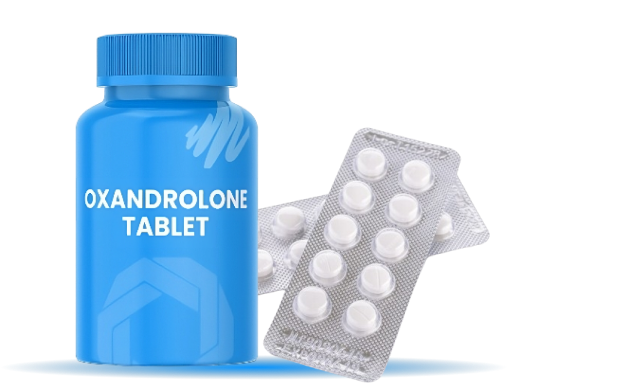
- Oral tablets: A convenient and commonly used method, although it may have a more pronounced impact on liver metabolism.
- Transdermal patches: These offer a steady release of hormones and may have fewer side effects related to liver processing.
- Topical gels and creams: Applied directly to the skin, these provide localized hormone delivery with minimal systemic impact.
- Vaginal rings and tablets: Targeted for urogenital symptoms, these options provide localized relief with minimal systemic absorption.
The availability of these various forms allows for a tailored approach to therapy, taking into account individual needs and minimizing potential side effects.
Personalized HRT Solutions
The choice of Hormone Replacement Therapy should be personalized, taking into account the patient’s medical history, symptom severity, and personal preferences. Advances in hormone therapy now allow for more tailored solutions that can optimize treatment outcomes and minimize potential risks. This personalization is vital in addressing the diverse needs of menopausal women, as no single treatment fits all scenarios.
Personalized Hormone Replacement Therapy also considers genetic factors that can influence hormone metabolism and response. By integrating genetic insights, practitioners can better predict which patients are more likely to benefit from specific HRT regimens and who might be at increased risk for adverse effects. This individualized approach not only enhances efficacy but also improves patient adherence and satisfaction with therapy.
The Benefits of Hormone Replacement Therapy
The primary goal of Hormone Replacement Therapy is to alleviate menopausal symptoms, but its benefits extend beyond symptom management. By understanding the multifaceted advantages of HRT, practitioners can better support their patients through the menopausal transition and into postmenopausal health.
Alleviation of Vasomotor Symptoms
Hormone Replacement Therapy is particularly effective in reducing the frequency and intensity of hot flashes and night sweats, which are among the most common and distressing menopausal symptoms. These vasomotor symptoms can significantly disrupt daily life, impacting everything from sleep quality to professional productivity and overall well-being.
By effectively managing these symptoms, Hormone Replacement Therapy can help improve sleep patterns and reduce fatigue, contributing to better overall health. This improvement in daily functioning and quality of life is one of the primary reasons many women seek HRT during menopause.
Improvement in Bone Health
Estrogen plays a critical role in maintaining bone density. HRT can significantly reduce the risk of osteoporosis and fractures by preserving bone mass. This is particularly important as women age, as the risk of fractures increases, leading to potential disability and decreased independence.
HRT’s role in bone health highlights its potential in preventative care, offering benefits that extend well into postmenopausal years. By maintaining bone density, HRT contributes to long-term health and quality of life, reducing healthcare costs associated with osteoporosis-related fractures.
Cardiovascular Health
Recent studies suggest that HRT may confer cardioprotective effects when initiated in early menopause. It is essential, however, to consider individual risk factors and potential contraindications before commencing therapy. The timing of HRT initiation appears critical, with early intervention potentially reducing cardiovascular risks that increase post-menopause.
While the relationship between HRT and heart health is complex, understanding these dynamics allows for informed decision-making and risk assessment. For some women, HRT may offer a dual benefit of symptom relief and cardiovascular protection, particularly when started soon after menopause onset.
Risks and Considerations
While Hormone Replacement Therapy offers numerous benefits, it is not without risks. Potential adverse effects include:
- Increased risk of blood clots and stroke: These risks are generally associated with oral estrogen and require careful evaluation of patient history before initiation.
- Breast cancer risk, particularly with prolonged use of combined HRT: This risk necessitates a thorough discussion and consideration of family history and individual risk factors.
- Gallbladder disease: Elevated risks for gallbladder issues highlight the need for ongoing monitoring and consideration of alternative HRT forms if necessary.
Risk Mitigation Strategies
To minimize risks, it is vital to:
- Conduct a thorough risk assessment before initiating HRT: This includes evaluating personal and family medical history, lifestyle factors, and current health status.
- Employ the lowest effective dose for the shortest duration necessary: This approach helps reduce exposure to potential adverse effects while still providing symptom relief.
- Regularly monitor patient outcomes and adjust treatment as needed: Ongoing evaluation ensures that the therapy remains effective and safe, allowing for adjustments based on changing health needs.
These strategies are integral to maximizing the benefits of HRT while minimizing potential harms, ensuring that treatment remains safe and effective over time.
Latest Advancements in Hormone Replacement Therapy
Advancements in HRT are continually being made to improve efficacy and safety profiles. These include:
Bioidentical Hormones
Bioidentical hormones are chemically identical to those produced by the human body. They offer a more natural alternative to synthetic hormones and are available in various formulations to suit individual needs. This option appeals to women seeking a more ‘natural’ approach to hormone therapy, although it requires careful oversight to ensure safety and efficacy.
The use of bioidentical hormones often involves compounding, which can provide tailored dosages and combinations. However, it is essential to ensure these compounds are prepared by reputable pharmacies to guarantee quality and consistency.
Non-Hormonal Alternatives
For patients who cannot undergo Hormone Replacement Therapy, non-hormonal treatments such as selective serotonin reuptake inhibitors (SSRIs) and other pharmacological agents may provide symptom relief. These alternatives can be particularly valuable for women with contraindications to hormone therapy or those experiencing specific side effects.
Non-hormonal options expand the therapeutic arsenal available for managing menopause, allowing practitioners to offer solutions to a broader range of patients. These treatments can address specific symptoms like mood disturbances and hot flashes, providing relief without hormonal intervention.
Individualized Therapy Plans
Advancements in genetic testing and personalized medicine allow for more precise tailoring of HRT regimens, enhancing therapeutic outcomes and minimizing risks. By considering genetic predispositions, practitioners can better predict how patients will respond to different types of HRT, optimizing treatment plans.
This individualized approach represents the future of menopause management, where therapy is not only based on symptoms but also on a deep understanding of each patient’s unique genetic makeup. This precision medicine approach holds the promise of more effective and safer treatment strategies.
Conclusion
Hormone Replacement Therapy plays a pivotal role in managing menopausal symptoms and improving the quality of life for many women. As a general practitioner, staying abreast of the latest developments in Hormone Replacement Therapy is essential for providing comprehensive, evidence-based care. By understanding the benefits and risks associated with Hormone Replacement Therapy and adopting personalized treatment strategies, you can significantly enhance patient outcomes and satisfaction.
Incorporating the latest advancements in Hormone Replacement Therapy into your practice will empower you to address the unique needs of each patient, ensuring a holistic approach to menopause management. This approach requires a commitment to continuous learning and adaptation, recognizing that the landscape of menopause treatment is ever-evolving. As always, patient education and informed consent are paramount in guiding treatment decisions and achieving optimal results. By fostering open communication and trust, you can help your patients navigate menopause with confidence and improved well-being.