Regrow Your Confidence: Modern Hair Restoration Treatments That Work
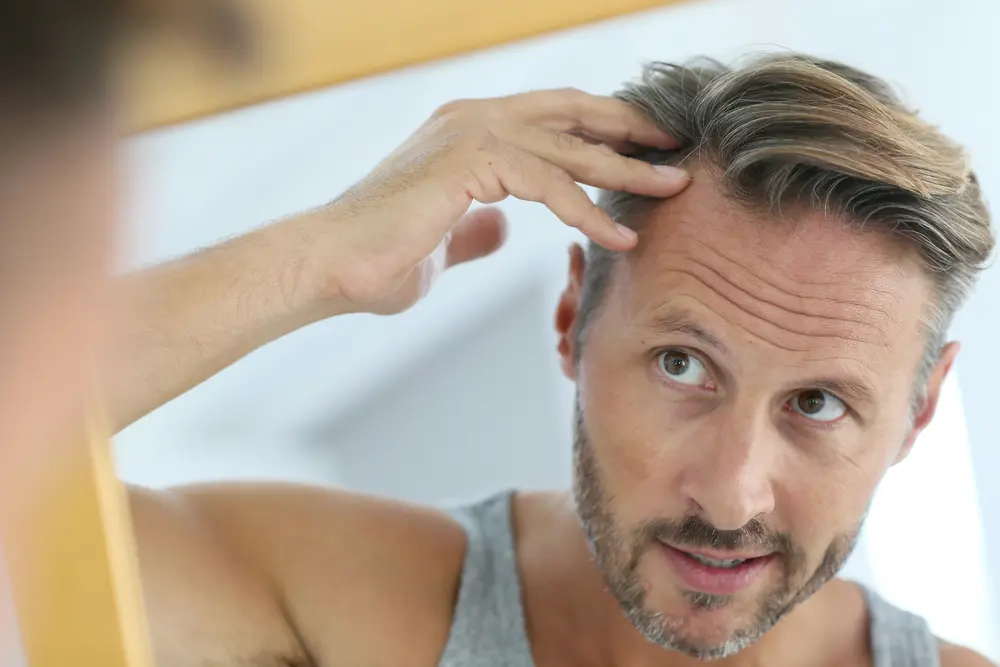
Hair loss affects millions of individuals and can impact self-esteem, confidence, and overall well-being. “After just a few months, I started seeing new growth and felt like myself again.” – Mark R., age 52. Whether you’re just beginning to notice thinning or have struggled with hair loss for years, today’s treatment options are more promising than ever. Fortunately, modern advancements in hair restoration have created a wide range of safe, effective, and clinically supervised treatment options. Whether your goal is to correct thinning hair, address hormone-related loss, or pursue long-term follicle support, understanding the latest therapies and what they offer is essential.
This guide explores surgical and non-surgical hair restoration treatments, expected results, and cost ranges — helping you make informed decisions tailored to your needs.
Understanding Hair Loss
Hair loss can result from genetic, hormonal, medical, or environmental causes. The first step toward successful treatment is identifying the root issue.
Genetic Factors
Inherited hair loss, known as androgenetic alopecia (male- or female-pattern baldness), typically causes gradual thinning along the crown and temples. Genetic hair loss is one of the most common and treatable types when addressed early.
Hormonal Imbalances
Hormonal fluctuations — such as those caused by menopause, PCOS, thyroid dysfunction, or age-related testosterone decline — often play a major role in thinning hair. A clinician-guided hormonal evaluation helps uncover whether Hormonal Optimization for Hair Health³ should be part of your treatment strategy.
Hair Restoration Treatments
Hair restoration includes both surgical and non-invasive techniques. Treatment should be chosen based on medical history, the cause of hair loss, and personal preferences.
Hair Transplant Surgery
Hair transplantation is a highly effective option for long-term follicle restoration. It involves transferring hair follicles from one part of the scalp to thinning or bald areas.
Two leading techniques:
- FUT (Follicular Unit Transplantation): Removes a strip of scalp and divides it into grafts.
- FUE (Follicular Unit Extraction): Extracts and implants individual follicles, offering a less invasive solution with minimal scarring.
Non-Surgical Options
For those not ready for surgery or in the early stages of hair loss, non-invasive therapies can deliver strong results:
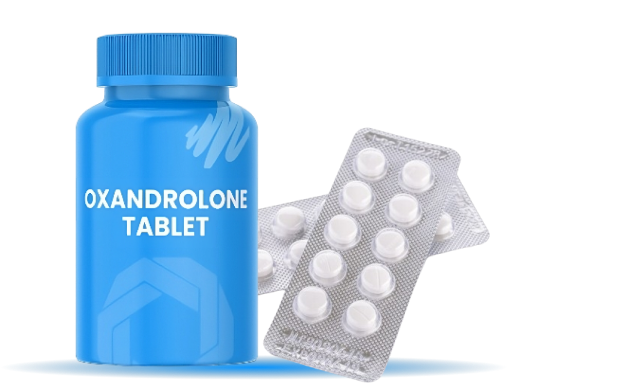
- Topical and Oral Medications: Clinically approved treatments like Hair Loss Treatment Pill or topical solutions are often first-line interventions to slow shedding and promote regrowth.
- Regenerative Plasma Supportⁱ: A safe, natural therapy that uses biologic material drawn from the patient to support scalp circulation and follicle stimulation.
- Low-Level Laser Therapy (LLLT): A pain-free option using red-light wavelengths to stimulate follicle activity and improve density.
- Cellular Regeneration Support²: A non-surgical biologic treatment designed to support tissue renewal and create a more robust environment for hair growth.
Hair Restoration Costs
The financial investment in hair restoration varies based on the chosen treatment and the extent of hair loss. While surgical procedures like hair transplants tend to be more expensive, non-surgical treatments offer more affordable alternatives.
Hair Transplant Costs
Hair transplantation costs can range from $4,000 to $15,000, depending on factors such as the technique used, the extent of hair loss, and the geographic location of the clinic. It is essential to consult with a qualified surgeon to receive an accurate cost estimate tailored to individual needs.
Non-Surgical Treatment Costs
- Medications: The cost of Hair Loss Treatment Pill and minoxidil can vary, but on average, patients may spend between $30 to $100 per month on these medications.
- Regenerative Plasma Support (RPS) Therapy: Each RPS session can cost between $500 to $1,500, with multiple sessions required for optimal results.
- LLLT Devices: Home-use laser devices can range from $200 to $800, while in-clinic treatments may cost around $100 per session.
What Results to Expect
Ultra Hair Restore: Expected Results Timeline (1–12 Months)
| Month | Topical & Nutraceuticals | Regenerative Plasma Support | Cellular Regeneration Support |
| 1 | ✔️ Reduced shedding begins | ✔️ Reduced inflammation | ✔️ Scalp health improvement |
| 2 | ✔️ Slight thickening | ✔️ Less hair loss, early regrowth | ✔️ New hair follicle stimulation begins |
| 3 | ✔️ Visible texture improvement | ✔️ Thicker hair in key areas | ✔️ New vellus hairs visible |
| 4 | ✔️ Fuller appearance | ✔️ Increased density | ✔️ Early maturation of new hairs |
| 5–6 | ✔️ Continued strengthening | ✔️ Coverage improvement in sparse areas | ✔️ Moderate visible regrowth |
| 7–9 | ✔️ Noticeably healthier hair | ✔️ Peak regrowth phase | ✔️ Mature hair strands replace vellus |
| 10–12 | ✔️ Maximum achievable result | ✔️ Maintenance & stabilization | ✔️ Full transformation; ideal density visible |
*Results depend on the treatment plan, severity of hair loss, and consistency of care.
Hair Transplant Results
Most patients see significant improvement by 6 months, with full results within 12–18 months. Transplanted hair behaves like natural hair and continues to grow.
Non-Surgical Results
- Medications: Most individuals begin to see improvement within 3–6 months, with continued thickening over time.
- Regenerative Plasma Support: Initial improvements in density may appear within 3–4 months, with more visible outcomes over time.
- LLLT: Consistent use often leads to healthier, denser hair in 3–6 months.
- Cellular Regeneration Support: May enhance scalp health and hair resilience, especially when paired with other therapies.
Conclusion
Today’s hair restoration options are more advanced, accessible, and personalized than ever before. Whether you choose a surgical procedure or a regenerative, non-invasive solution, working with a qualified provider ensures your treatment is safe, targeted, and aligned with your goals.
Investing in hair restoration is about more than appearance — it’s about reclaiming confidence, control, and well-being.
ⁱ A clinician-guided therapy using biologic components drawn from the patient to support scalp health, circulation, and follicle activity. Designed to promote a healthier environment for natural hair vitality.
² A non-surgical therapy focused on optimizing the scalp’s regenerative potential and overall tissue environment. This treatment supports the natural biological processes that contribute to healthy hair growth.
³ A medically supervised evaluation of hormone levels, designed to identify and address imbalances that may contribute to hair thinning. Treatment plans are tailored to individual needs and often include lifestyle and nutritional guidance.