Risks and Side Effects of TRT Explained
Testosterone Replacement Therapy (TRT) has emerged as a prevalent solution for individuals grappling with low testosterone levels. While it offers significant benefits, such as improved energy levels, mood enhancement, and increased muscle mass, it’s imperative to approach TRT with an informed perspective. Understanding the potential risks and side effects is crucial for healthcare providers and patients alike. This article will delve into the intricacies of TRT, offering insights into its risks and side effects with a focus on evidence-based guidance.
Understanding Low Testosterone
Low testosterone, often referred to as hypogonadism, can manifest in a myriad of symptoms that significantly impact an individual’s quality of life. These symptoms may include fatigue, depression, decreased libido, and reduced muscle mass. The decision to embark on TRT is often driven by the desire to alleviate these symptoms and restore a sense of vitality and well-being.
Symptoms and Diagnosis
The symptoms of low testosterone can vary widely among individuals, often masquerading as other health conditions. Fatigue, mood swings, and a noticeable decline in physical performance are common indicators that prompt individuals to seek medical advice. Diagnosing low testosterone involves a combination of symptom assessment and blood tests to measure hormone levels, ensuring an accurate diagnosis.
Causes of Low Testosterone
Several factors can contribute to reduced testosterone production. Age is a primary factor, with testosterone levels naturally declining as men grow older. Other causes may include lifestyle factors such as obesity, chronic illness, or certain medications. Understanding the root cause is essential for determining the most effective treatment strategy.
Impact on Quality of Life
The impact of low testosterone extends beyond physical health, influencing mental and emotional well-being. Many individuals report feelings of inadequacy, decreased motivation, and relationship challenges due to diminished libido. Addressing these issues through TRT can significantly enhance overall life satisfaction and interpersonal relationships.
The Role of Testosterone Replacement Therapy
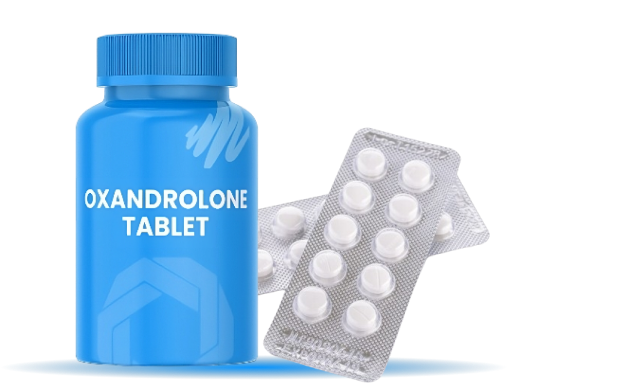
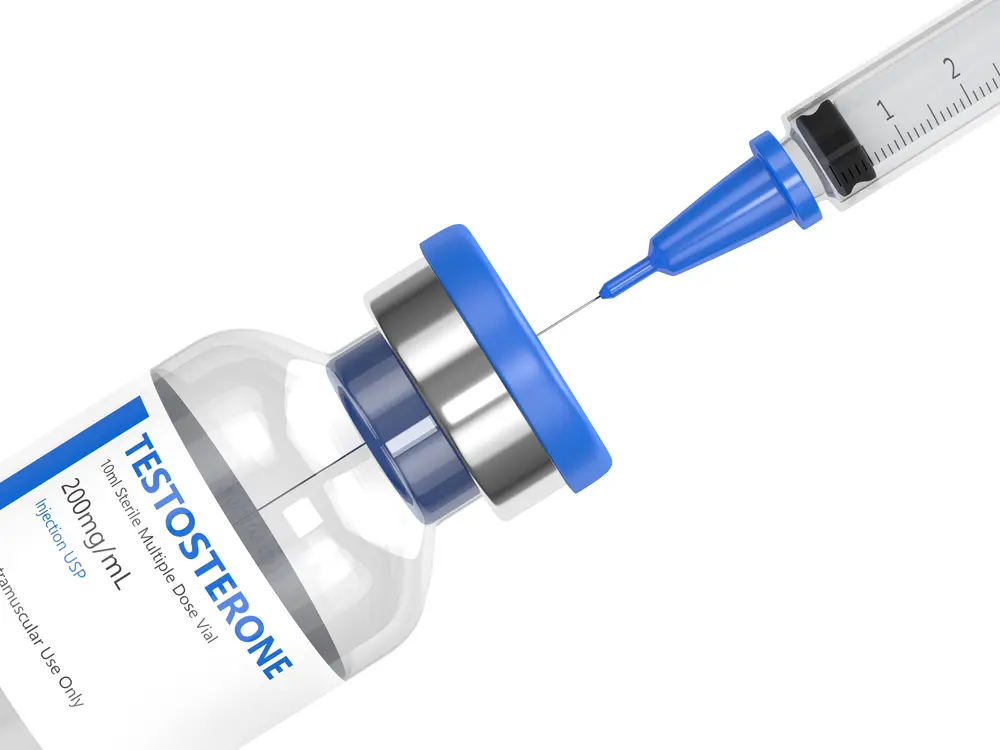
Testosterone Replacement Therapy aims to replenish the body’s testosterone levels, thereby alleviating the symptoms associated with low testosterone. It is available in various forms, including injections, patches, gels, and oral tablets, each with its own administration protocols and considerations.
Types of TRT
TRT is available in several forms, each offering distinct benefits and challenges. Injections provide a direct method of administration, often preferred for their effectiveness. Patches and gels offer a more consistent hormone release, while oral tablets are convenient but may carry additional risks. The choice of therapy depends on personal preferences, lifestyle, and medical advice.
Administration Protocols
Proper administration of TRT is crucial to its success. Injections require precise dosing schedules, while patches and gels necessitate daily application. Patients must adhere to prescribed protocols to maintain stable hormone levels and minimize side effects. Medical professionals play a key role in educating patients about correct administration techniques.
Monitoring and Adjustments
Regular monitoring of testosterone levels is essential during TRT to ensure optimal outcomes. Blood tests are conducted periodically to assess hormone levels and make necessary dosage adjustments. This ongoing evaluation helps in fine-tuning the treatment plan, ensuring that patients receive the maximum benefit from therapy.
Potential Risks of Testosterone Replacement Therapy
While TRT can be transformative for many, it is not devoid of risks. Healthcare providers must weigh these potential risks against the benefits when recommending TRT.
Cardiovascular Concerns
One of the most debated risks associated with TRT is its impact on cardiovascular health. Some studies suggest a potential link between TRT and an increased risk of cardiovascular events, such as heart attacks and strokes. However, the evidence remains inconclusive, with other studies indicating no significant increase in cardiovascular risk. It is crucial for practitioners to assess a patient’s cardiovascular health before initiating TRT and to monitor it regularly throughout the treatment.
Evidence and Studies
The relationship between TRT and cardiovascular health is complex, with studies offering mixed results. Some research highlights an increased risk of heart-related issues in older men undergoing TRT, while other studies find no significant correlation. Understanding the nuances of these studies is critical for informed decision-making.
Mitigating Cardiovascular Risks
To mitigate potential cardiovascular risks, healthcare providers should conduct a thorough cardiovascular evaluation before starting TRT. This includes assessing risk factors such as blood pressure, cholesterol levels, and family history. Regular cardiovascular monitoring during TRT can help identify any emerging issues early.
Patient Education
Educating patients about the potential cardiovascular risks associated with TRT is essential. Patients should be aware of symptoms indicating cardiovascular issues, such as chest pain or shortness of breath, and report these to their healthcare provider promptly. This proactive approach can help prevent serious complications.
Prostate Health
The relationship between TRT and prostate health is another area of concern. Testosterone can potentially stimulate the growth of prostate tissue, raising questions about the risk of prostate cancer. While current evidence does not definitively link TRT to an increased risk of prostate cancer, it is advisable for healthcare providers to conduct regular prostate screenings for patients undergoing TRT.
Current Research Findings
Current research on TRT and prostate health presents varied findings. Some studies suggest that TRT does not significantly increase the risk of prostate cancer, while others call for more cautious monitoring. Understanding these findings helps shape patient care strategies.
Importance of Prostate Screenings
Routine prostate screenings, including PSA (Prostate-Specific Antigen) tests, are vital for patients on TRT. These screenings help detect any early changes in prostate health, allowing for timely intervention. Healthcare providers should ensure these screenings are part of the TRT management plan.
Balancing Risks and Benefits
Balancing the potential risks of TRT on prostate health with its benefits requires careful consideration. For many patients, the benefits of improved quality of life may outweigh the risks, but ongoing evaluation and monitoring are essential components of safe TRT management.
Polycythemia
TRT can lead to an increase in red blood cell production, a condition known as polycythemia. This elevation can thicken the blood, potentially leading to an increased risk of clotting events. Routine blood tests are essential to monitor hematocrit levels and ensure they remain within a safe range.
Understanding Polycythemia
Polycythemia involves an excessive increase in red blood cell count, which can complicate blood flow. This condition heightens the risk of clot formation, leading to potential cardiovascular complications. Recognizing and addressing polycythemia is crucial for patients on TRT.
Monitoring Hematocrit Levels
Regular monitoring of hematocrit levels is a key component of TRT management. Blood tests conducted at routine intervals help detect any significant changes in red blood cell count, allowing for prompt adjustments to the treatment plan. This vigilance helps maintain patient safety.
Addressing Elevated Levels
If elevated hematocrit levels are detected, healthcare providers may adjust the TRT dosage or recommend therapeutic phlebotomy. This process involves removing a small amount of blood to reduce red blood cell concentration, thereby mitigating risks. Patient education on signs of polycythemia is also important for early detection.
Common Side Effects of Testosterone Therapy
Aside from the more severe risks, TRT can also present a range of side effects that, while less severe, still warrant attention.
Hormonal Imbalances
TRT can lead to hormonal imbalances, particularly if not carefully monitored. An excess of testosterone can convert into estrogen, leading to conditions such as gynecomastia (enlargement of breast tissue in men). Regular hormone level assessments can help mitigate this risk.
Causes of Hormonal Imbalances
Hormonal imbalances during TRT often result from improper dosing or the body’s natural conversion processes. An excess of testosterone may convert to estrogen, leading to unwanted side effects. Understanding these dynamics is critical for effective treatment management.
Symptoms and Detection
Symptoms of hormonal imbalances may include mood swings, weight gain, and breast tissue enlargement. Regular hormone testing helps detect imbalances early, allowing for timely intervention. Patients should be encouraged to report any unusual symptoms to their healthcare provider.
Strategies for Balance
Maintaining hormonal balance during TRT requires a personalized approach. Adjusting the treatment dosage, incorporating aromatase inhibitors, or altering the administration method may help achieve desired hormone levels. Ongoing monitoring and patient communication are key to successful management.
Acne and Skin Reactions
Increased testosterone levels can stimulate oil production in the skin, potentially leading to acne and other skin reactions. Proper skin care and consultation with a dermatologist can help manage these side effects.
Skin Changes During TRT
The rise in testosterone levels can lead to increased oil production, resulting in acne and other skin conditions. Understanding these changes helps patients anticipate and manage potential side effects, minimizing impact on quality of life.
Preventive Skin Care
Implementing a comprehensive skincare routine is essential for managing acne and skin reactions during TRT. Regular cleansing, moisturizing, and the use of non-comedogenic products can help reduce skin issues. Consulting a dermatologist for personalized skin care advice is beneficial.
Professional Guidance
Healthcare providers should offer guidance on managing skin side effects, including recommending appropriate skincare products and treatments. For persistent or severe reactions, referrals to a dermatologist for specialized care may be necessary, ensuring comprehensive patient support.
Sleep Apnea
TRT may exacerbate pre-existing sleep apnea or contribute to its development. Patients with known sleep disorders should be closely monitored, and alternative treatments should be considered if TRT worsens their condition.
Understanding Sleep Apnea
Sleep apnea is a disorder characterized by interrupted breathing during sleep, leading to poor sleep quality and other health issues. Recognizing the potential impact of TRT on sleep apnea is crucial for patient safety and well-being.
Identifying Risk Factors
Patients with existing sleep disorders or those who exhibit symptoms such as loud snoring or daytime fatigue may be at higher risk of developing or worsening sleep apnea with TRT. Identifying these risk factors allows for proactive management and treatment adjustments.
Alternative Treatment Options
For patients with sleep apnea concerns, exploring alternative treatments to TRT may be necessary. Adjusting the therapy approach or considering other hormone replacement options can help mitigate risks. Continuous monitoring and sleep studies may also provide valuable insights.
Best Practices for Managing Risks and Side Effects
Effective management of TRT-related risks and side effects hinges on a comprehensive, patient-centered approach.
Comprehensive Evaluation and Monitoring
Before initiating TRT, a thorough evaluation of the patient’s health status, including cardiovascular and prostate health, is essential. Regular follow-up appointments and blood tests are necessary to monitor the therapy’s impact and adjust the treatment plan as needed.
Initial Health Assessment
A comprehensive health assessment prior to starting TRT involves evaluating cardiovascular health, prostate condition, and overall medical history. This evaluation helps identify potential risks and tailor the treatment plan to the patient’s specific needs, ensuring safe therapy initiation.
Ongoing Monitoring Protocols
Regular monitoring through blood tests and health evaluations is critical for detecting any adverse effects or necessary adjustments during TRT. Establishing a consistent monitoring schedule helps maintain optimal hormone levels and addresses any emerging concerns promptly.
Adjustments Based on Feedback
Patient feedback and test results guide necessary adjustments to the TRT regimen. Healthcare providers should be responsive to changes in symptoms or health status, ensuring that the treatment plan evolves to meet the patient’s needs effectively.
Personalized Treatment Plans
Each patient’s response to TRT can vary significantly. Personalized treatment plans that consider the individual’s health status, lifestyle, and specific needs are paramount. This approach not only enhances the efficacy of TRT but also minimizes potential risks.
Tailoring Dosage and Administration
Individualized dosing and administration methods are crucial for maximizing TRT benefits. Factors such as age, health status, and lifestyle influence the choice of treatment, requiring personalized adjustments to achieve desired outcomes.
Lifestyle and Dietary Considerations
Incorporating lifestyle and dietary changes into the treatment plan can enhance TRT effectiveness. Encouraging healthy habits, such as regular exercise and a balanced diet, supports overall well-being and complements the hormone therapy.
Collaborative Patient Involvement
Active patient involvement in treatment decisions fosters a collaborative approach to TRT management. Encouraging patients to express preferences and concerns ensures that the treatment plan aligns with their goals and enhances adherence to therapy.
Open Communication with Patients
Healthcare providers should maintain open lines of communication with patients, ensuring they are fully informed about the potential risks and side effects of TRT. Patients should feel comfortable discussing any symptoms or concerns that arise during treatment.
Educating Patients
Providing comprehensive education about TRT, including potential risks, side effects, and benefits, empowers patients to make informed decisions. Educational materials and discussions help patients understand their treatment and manage expectations.
Encouraging Dialogue
Open dialogue between patients and healthcare providers is essential for addressing concerns and symptoms promptly. Encouraging patients to report any changes in their health or treatment experience fosters a proactive approach to care.
Building Trust and Understanding
Establishing a trusting relationship with patients enhances communication and treatment adherence. Building rapport and understanding patient perspectives ensures a supportive environment, promoting successful TRT management.
Conclusion
Testosterone Replacement Therapy offers a promising avenue for alleviating the symptoms of low testosterone, but it is not without its challenges. By understanding the potential risks and side effects, healthcare providers can make informed decisions that prioritize patient safety and well-being. Through comprehensive evaluation, personalized treatment plans, and vigilant monitoring, the benefits of TRT can be maximized while minimizing its risks. As with any medical treatment, a collaborative approach between healthcare providers and patients is essential for achieving optimal outcomes in testosterone therapy.
Prioritizing Patient Safety
The primary goal of TRT is to improve patients’ quality of life while ensuring their safety. By prioritizing thorough evaluations and monitoring, healthcare providers can mitigate risks and enhance treatment effectiveness.
Emphasizing Evidence-Based Care
Evidence-based care is at the heart of effective TRT management. Relying on current research and clinical guidelines helps providers make informed decisions and offer the best possible care to patients.
Fostering Collaborative Partnerships
The success of TRT hinges on strong partnerships between healthcare providers and patients. Encouraging open communication and shared decision-making creates a supportive treatment environment, leading to better patient outcomes.