How to Lower Red Blood Cell Count While on Testosterone
Testosterone replacement therapy (TRT) can provide incredible benefits for men over 40, including increased energy, improved libido, mood balance, better sleep, and muscle gain. However, one common side effect of TRT is an elevated red blood cell count, also known as polycythemia. This condition can increase the risk of blood clots, stroke, or heart attack, which is why it’s important to manage it effectively while still enjoying the benefits of testosterone therapy.
What is Polycythemia?
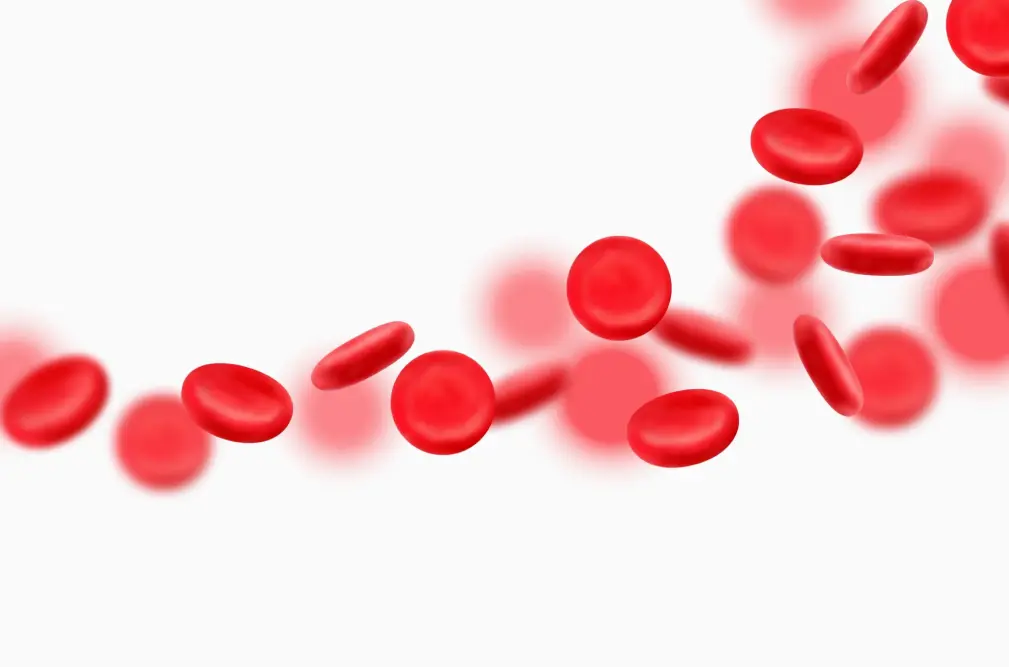
Polycythemia occurs when there is an excessive production of red blood cells. TRT can stimulate this, leading to an increase in hematocrit (the ratio of red blood cells to total blood volume). While having a healthy red blood cell count supports oxygen transport and stamina, having too many can thicken the blood, posing potential risks.
How to Manage Red Blood Cell Count While on TRT
Here are some effective strategies to help manage polycythemia and lower your red blood cell count while undergoing testosterone replacement therapy:
-
- Regular Blood Donation (Phlebotomy)
- Blood donation is one of the quickest and most effective ways to lower red blood cell count. By donating blood regularly (with medical supervision), you can decrease hematocrit levels and reduce the risk of complications.
- Work with your healthcare provider to determine how often you should donate blood based on your red blood cell count.
- Monitor Your Testosterone Dosage
- High doses of testosterone can lead to a more significant increase in red blood cells. Regularly checking your testosterone levels and adjusting your dosage can help manage the balance between treatment benefits and minimizing side effects. Lower doses may reduce the chance of polycythemia.
- Consult with your healthcare provider to ensure your dosage is optimized for safety and effectiveness.
- Stay Hydrated
- Dehydration can increase the concentration of red blood cells in your bloodstream. Drinking plenty of water helps keep your blood at the right consistency, reducing the risk of elevated hematocrit levels.
- Aspirin Therapy
- In some cases, healthcare providers may recommend low-dose aspirin to reduce the risk of blood clots in men with high hematocrit levels. This should only be done under medical guidance, as aspirin therapy may not be suitable for everyone.
- Quit Smoking
- Smoking can exacerbate the increase in red blood cells by reducing oxygen levels in the blood. Quitting smoking is beneficial not only for managing red blood cell count but also for your overall cardiovascular health.
- Regular Monitoring and Lab Tests
- Regular blood work is essential to keep track of your hematocrit levels. Your healthcare provider will likely recommend frequent lab tests during TRT to monitor for any potential issues like polycythemia. If your levels are consistently high, adjustments to your therapy or additional treatments like therapeutic phlebotomy may be necessary.
- Regular Blood Donation (Phlebotomy)
Safety and Personalized Care at Premier Hormone Health
At Premier Hormone Health, we understand that managing side effects like polycythemia is crucial for your long-term health while on testosterone therapy. We provide personalized care by consulting with certified nurses who ensure that your treatment plan is tailored to your individual needs. Our advanced technology helps us monitor your hormone levels and adjust treatment as needed to minimize risks and optimize benefits. Plus, we offer affordable options for hormone replacement therapy, making it accessible without sacrificing quality care.
Testosterone therapy can significantly improve quality of life for men over 40, but it’s essential to manage side effects like elevated red blood cell count. Regular blood donation, optimizing your dosage, and staying hydrated are simple yet effective ways to maintain healthy blood levels. Working closely with healthcare professionals ensures you’re receiving safe, tailored care to enjoy the full benefits of TRT.